~57%
The problem
Your athletic clothing is probably plastic.
Polyester, nylon and elastane are petroleum-derived synthetics, and their share of the clothing we train in has grown for decades. Wearing and washing them releases synthetic microfibers into water and air. Here's what the research documents — stated plainly, with sources.
The data
Four findings worth knowing.
17 of 22
Blood samples with detectable plastic particles
51.6%
Decline in average sperm concentration, 1973–2018
All 36
Semen samples in which microplastics were detected
What it means
Presence is documented. Causation is not.
Synthetic particles have been detected in human blood, placenta and semen, and synthetic textiles are one of the largest sources of microfibers in the environment. What research has not shown is that wearing polyester causes infertility or any specific disease. We won't tell you otherwise. What we can say is simple: the fibers next to your skin are a choice, and there is a natural option that performs.
The alternative
Why merino works.
Merino wool evolved to keep an animal comfortable through freezing nights and hot days. That is the engineering we put on your body.
Breathes across seasons
Merino absorbs moisture vapour into the fiber and releases it as conditions change, which helps buffer both cold and heat.
Odor-resistant for days
Wool's structure limits the build-up of the bacteria responsible for most workout odor, so garments stay fresher between washes.
Manages moisture
Wool can hold a significant share of its weight in moisture vapour before it feels wet, so you stay comfortable under sustained effort.
Biodegradable
As a natural protein fiber, wool breaks down in soil and releases nutrients — typically within months rather than centuries.
Side by side
Polyester vs. Merino.
Merino — performance from nature.
01
Microplastics
Merino is a natural protein fiber. It sheds wool, not plastic — nothing synthetic leaves the garment.
Natural fiber in, natural fiber out.
Source: De Falco et al., Environmental Pollution (2019)
02
Odor
Wool absorbs moisture inside the fiber and limits bacterial build-up, so garments stay fresher across repeat sessions.
Wear it again tomorrow.
Source: McQueen et al., Textile Research Journal (2007)
03
Temperature
Merino absorbs and releases moisture vapour, buffering temperature as conditions and effort change.
One pair, more days of the year.
Source: AgResearch New Zealand, wool thermophysiology research
04
End of life
Wool is biodegradable: buried in soil it breaks down and releases nutrients, typically within months.
From earth, back to earth.
Source: International Wool Textile Organisation, biodegradability review
The Orrange difference
Meet the Signature Shorts.
One pair. Natural performance. Nothing unnecessary — 100% merino wool, undyed, built for long miles.
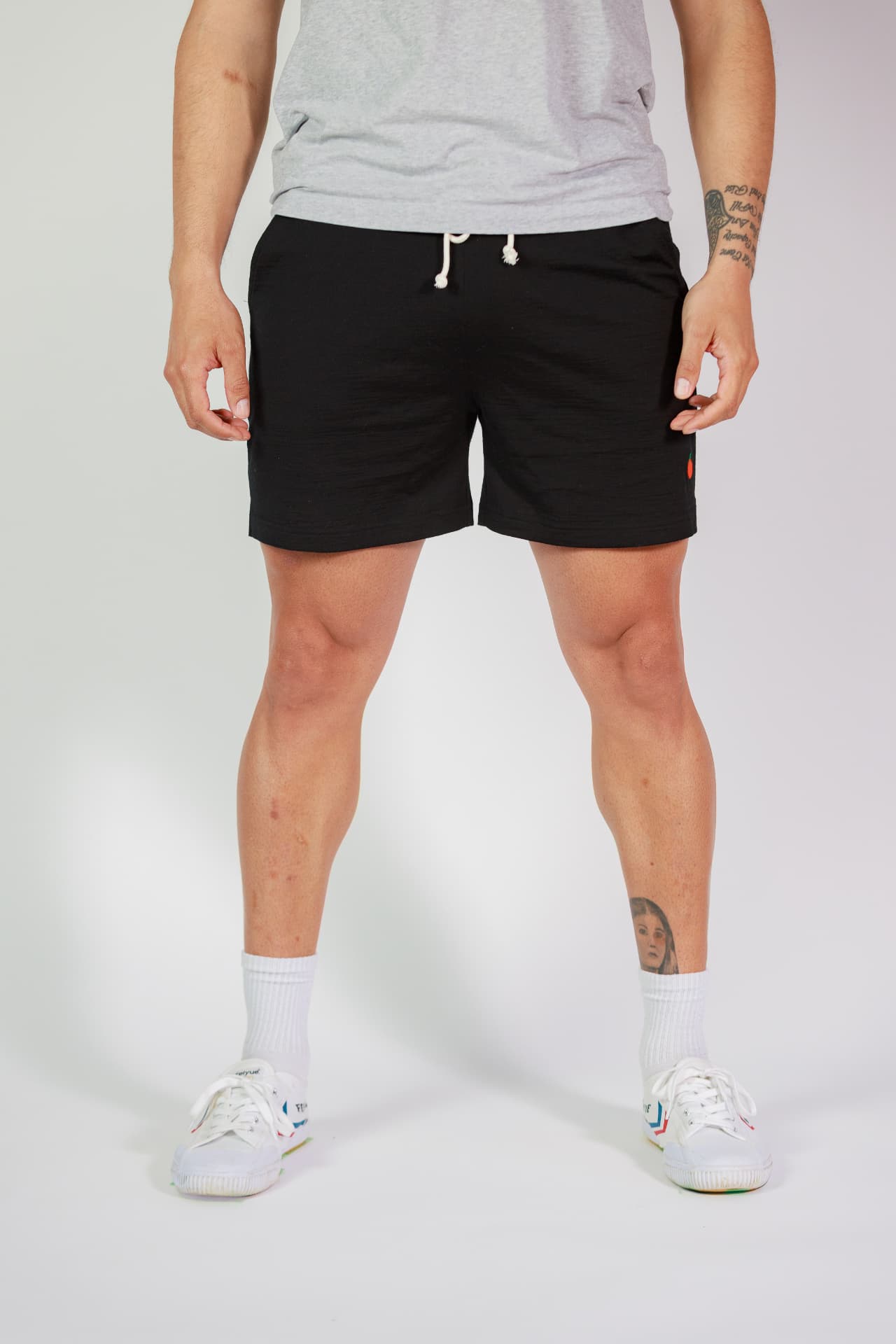
Experience merino.
Shop the Signature ShortsStay in the loop
Natural performance, straight to your inbox.
Restock alerts, new colourways and the research behind merino. No noise.